

The Accordion Folding Method: How to Pack Your Paragliding Wing Like a Pro

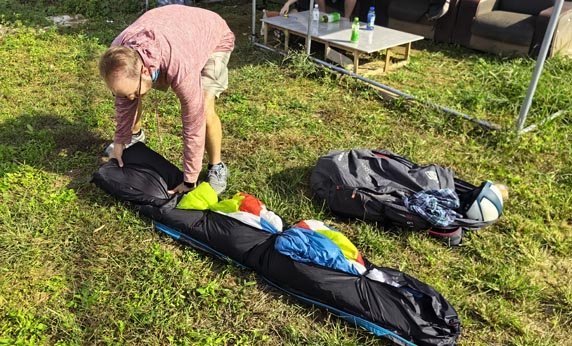
If you’ve ever watched an experienced paragliding pilot pack their wing, you may have noticed a methodical, layered approach that looks almost like accordion folds. This isn’t just habit — it’s a technique that protects your wing and extends its lifespan. Understanding the accordion folding method is one of the most practical skills any paragliding pilot can develop.
What Is the Accordion Folding Method?
The accordion folding method (sometimes called the concertina fold) is a systematic approach to packing a paragliding wing. Instead of stuffing the wing loosely into a bag, pilots fold it into uniform, layered sections before storing it in a concertina bag.
The name comes from the visual resemblance to an accordion’s pleated structure — each section folds neatly on top of the last, creating a compact, uniform package. This isn’t a random process; the technique is designed to distribute stress evenly across the wing and minimize tight creases that could damage the fabric over time.
Why Accordion Folding Matters
Paragliding wings are precision-engineered pieces of equipment. When packed carelessly, the fabric can crease sharply at random angles, concentrating stress on specific points of the cell openings and sail material. Over time, this contributes to wear that affects the wing’s performance and longevity.
The accordion method addresses this by:
- Distributing stress evenly — folds occur along consistent, parallel lines rather than random creases
- Protecting cell openings — the uniform layers keep riser attachment points aligned and protected
- Making packing faster — once you develop the rhythm, the process takes less than two minutes
- Maximizing bag compatibility — a consistently packed wing fits neatly into any concertina bag designed for your wing size
The Step-by-Step Accordion Folding Process
Step 1: Lay Out the Wing Flat
Find a clean, flat surface — a grassy takeoff area works well. Lay the wing out with the cell openings facing up, lines untangled beneath. This gives you full access to the sail and lets you inspect for any debris or damage before packing.
Step 2: Fold Wing Tips to the Center
Starting from one wing tip, fold the sail in sections toward the center. Rather than folding the entire tip in at once, work in strips — typically the width of the cell section — folding each strip back toward the center in neat layers. Repeat from the other wing tip until the tips meet in the middle.
Step 3: Fold Along the Chord
Once the wing tips meet at the center, fold the entire packed assembly in half (or thirds, depending on your bag length). The result is a compact, uniform bundle that slots easily into the bag.
Step 4: Insert Into the Concertina Bag
The concertina bag is specifically designed for this packing method. Slide the folded wing in, ensuring it sits flat without bunching. The uniform width of an accordion-folded wing fits the bag perfectly, which is why this bag style and folding technique are designed to work together.
The Role of the Concertina Bag
While the accordion folding technique can be used with a standard stuff bag, the concertina bag takes the method further. Its design accommodates the uniform folded shape perfectly, keeping the wing compressed evenly from nose to tail. This prevents the wing from shifting inside the bag during transport, which is particularly important when carrying your wing on rough terrain or during travel.
The YOWFLY Concertina Bag is priced at €68 with free shipping and fits all standard solo wings in a single universal size — no need to match bag size to specific wing sizes.
Common Mistakes to Avoid
- Creasing across cell openings — random folds can stress the cells; always fold perpendicular to the chord
- Packing a dirty wing — sand, grit, and debris in the folds accelerate fabric wear; always clean before packing
- Over-packing — forcing a wing into too small a space creates excessive compression; use a bag that matches your wing’s packed dimensions
- Skipping the rhythm — inconsistent fold widths defeat the purpose; develop a consistent method and repeat it every time
Practice Makes Perfect
The accordion folding method takes a little practice, but it quickly becomes second nature. Most pilots find that after a week of consistent practice — folding the wing the same way every time — they can pack efficiently even in windy conditions. The key benefits are well worth the small investment of time: a better-protected wing, fewer creases, and a longer-lasting paraglider.
Conclusion
The accordion folding method is one of those simple techniques that delivers outsized benefits. For pilots who travel frequently, fly in sandy or dusty conditions, or simply want to get the most from their equipment, it’s an essential skill. Combined with a quality concertina bag, it represents the gold standard in paragliding wing care.
Explore the YOWFLY Concertina Bag — €68, free shipping, universal fit for all solo wings.
Looking for quality paragliding accessories? Visit our product range for training gear, bags, and equipment for pilots of all levels.