

Paragliding in Australia: Flying Sites, Pilot Community & Must-Visit Locations

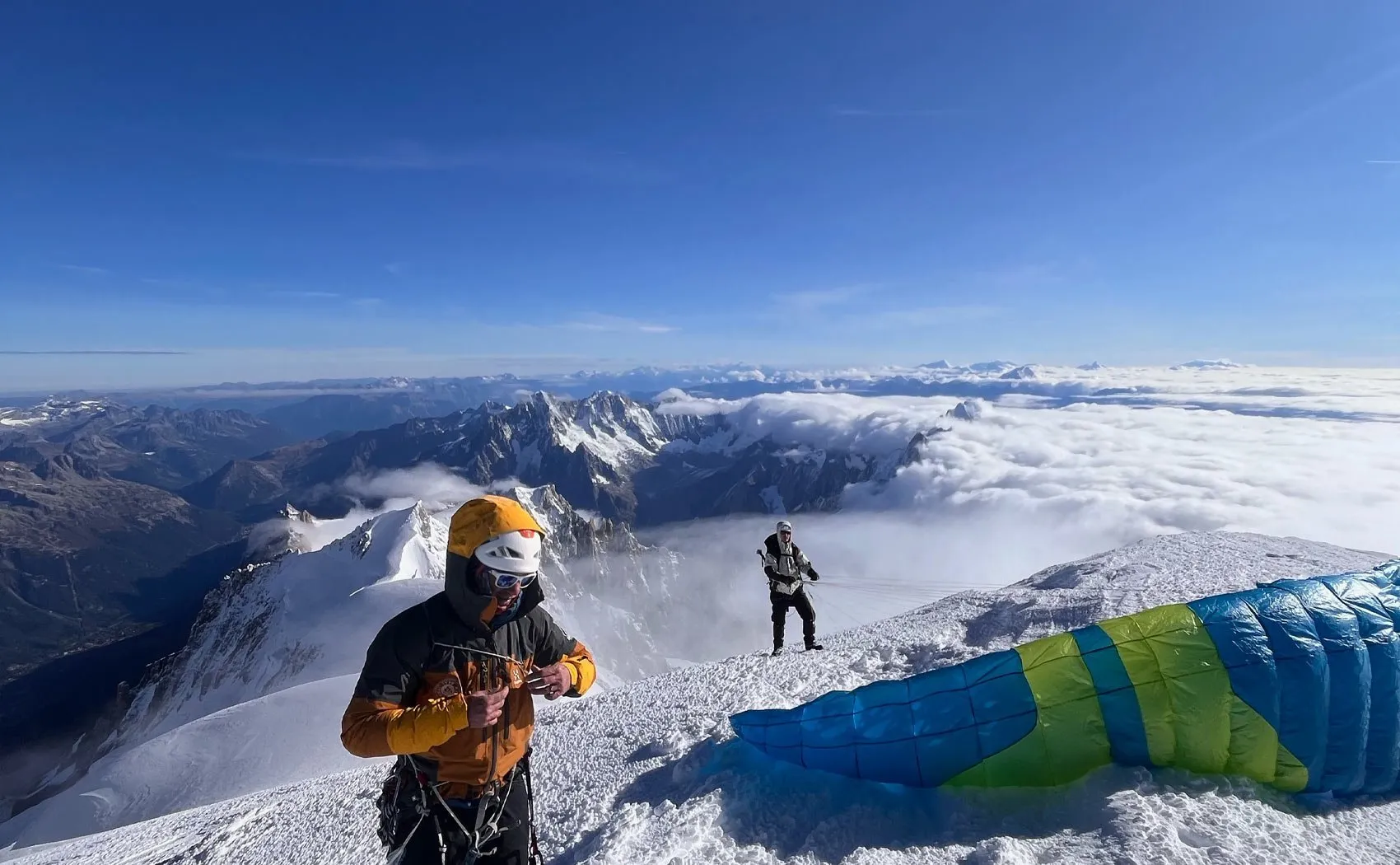
Australia may be best known for its beaches and outback, but among pilots who know the scene, it’s quietly earning a reputation as one of the most rewarding flying destinations in the Southern Hemisphere. With a network of diverse sites spanning from subtropical Queensland to the cool highlands of Victoria and the wide-open spaces of New South Wales, Australian paragliding offers something for every skill level — and some sites that will genuinely take your breath away.
The Paragliding Scene in Australia: By the Numbers
Australia’s paragliding community is managed primarily by Paragliding Australia and regulated by the Sports Aviation Federation of Australia (SAFA). According to the paraglidingspots.com database — which received a comprehensive nationwide update in May 2026 — Australia is home to hundreds of documented launch sites across all states and territories.
The community is active year-round, with the peak flying season running from October through March, taking full advantage of the Australian summer. During these months, thermal activity is strong across the interior and coastal regions, and RASP (Regional Atmospheric Soaring Prediction) forecasts are published daily by AUSRASP for the main cross-country sites.
Top Paragliding Sites in Australia
1. Mt Borah, Manilla (New South Wales) — The Crown Jewel
If Australia has one world-class paragliding site, it’s Mt Borah at Manilla in NSW. This is no exaggeration — Mt Borah hosted the 2007 Paragliding World Championships, a testament to its exceptional flying conditions and infrastructure.
What makes it special:
- Multiple launches for different wind directions — Mt Borah has four distinct launch faces, meaning pilots can find safe lift regardless of wind direction. Most sites offer just one or two launch options.
- Vast astro-turfed launches — unlike many sites where launch is a scramble on a narrow ridge, Mt Borah’s launches are wide, flat, and professionally maintained.
- All-in-one training facility — Manilla Paragliding School, operated by legendary CFI Godfrey Wenness, offers ground handling paddocks, low-slope training, high flights, ridge soaring, thermalling, and potential XC routes — all from one mountain.
- Proven safety record — the site’s design and the school supervision make it suitable for beginners through advanced pilots on the same location.
Best flying conditions: NE–NW winds, thermals develop strongly in the afternoon. The Manilla region benefits from consistent thermal activity from spring through autumn.
Flying season: October to May, with the best months being October–November and March–April.
💡 Pro tip: All pilots flying Mt Borah must hold both SAFA membership and MSS (Manilla SkySailors Club) membership. Contact the club before visiting.
2. Lake George, New South Wales
Located roughly 250 km south-west of Sydney, Lake George is one of Australia’s most celebrated cross-country flying sites. The lake itself — a vast, flat basin that occasionally fills with water — creates exceptional lift zones and long-legged XC routes.
What makes it special:
- Massive thermal triggers — the lake’s surface heats unevenly, generating strong, consistent thermals that can carry pilots to cloud base at 2,000–3,000 metres or higher.
- XC paradise — Lake George is a launchpad for some of Australia’s longest cross-country flights. The surrounding farmland provides landing options for most wind directions.
- Spectacular scenery — flying over (or alongside) an ancient lake surrounded by New South Wales pastoral country is genuinely unforgettable.
Best flying conditions: West to NW wind, light to moderate strength. The best XC days are when a cold front passes through, creating strong convective conditions.
Flying season: Primarily spring and autumn. Summer thermal days are possible but can be turbulent.
3. Spring Hill, New South Wales
A firm favourite among NSW pilots, Spring Hill is a reliable hill-launch site within easy reach of Sydney and Newcastle. It’s particularly popular for weekend flying and intermediate pilot development.
What makes it special:
- Accessible location — unlike Mt Borah, which requires a dedicated trip, Spring Hill is close enough for day trips from major population centres.
- Reliable ridge lift — even when thermal activity is weak, Spring Hill’s topography generates solid ridge lift on the right wind direction.
- Active local community — the site has a welcoming atmosphere with regular meet-ups, making it a great introduction to Australian flying culture.
Best flying conditions: S–SW wind, moderate strength. Avoid in strong northerly conditions.
Flying season: Year-round, with best conditions in autumn and spring.
4. Ovens, Victoria
Victoria’s premier thermal site, Ovens is where many Australian pilots make their first XC flights and where serious cross-country enthusiasts return year after year.
What makes it special:
- Consistent thermal activity — the Ovens Valley channels heating effectively, creating reliable thermals almost daily during the flying season.
- XC routes — pilots regularly fly 50–200+ km routes from Ovens, with landing options in the surrounding farmland.
- Scenic flying — the Australian Alps backdrop provides dramatic scenery, particularly memorable in the golden light of late afternoon.
Best flying conditions: N–NE wind, thermals develop strongly after 10am and peak mid-afternoon.
Flying season: October through April.
5. Other Notable Australian Flying Sites
Australia’s vast geography means there are flying sites in almost every state:
| State/Territory | Notable Sites | Key Character |
|---|---|---|
| Queensland | Brisbane Valley, Sunshine Coast hinterland, Toowoomba | Year-round flying, subtropical thermals |
| South Australia | Barossa Valley, Flinders Ranges | Thermal XC routes, open landscape |
| Western Australia | Perth Hills, Margaret River region | Indian Ocean sea breezes, coastal flying |
| Tasmania | Launceston area, Central Highlands | Classic hill-launch sites, cooler climate |
| ACT/Canberra Region | Namadgi National Park, Tidbinbilla | Ridge soaring, mountain XC potential |
How Many Pilots and Sites Does Australia Have?
While exact figures for licensed paraglider pilots in Australia aren’t publicly published in a single database, the scale of the community is reflected in:
- Hundreds of documented sites — the paraglidingspots.com database lists sites across all Australian states, updated comprehensively in 2026.
- Active state associations — NSW HPA, Victorian Hang Gliding Association, Queensland HGFA affiliates, and clubs in SA, WA, and Tasmania all maintain membership bases.
- Regular competitions — Australia hosts annual state and national competitions, including the iconic Paragliding Australian Open.
- A growing tandem industry — tandem paragliding operations are active at Mt Borah, the Blue Mountains, and numerous coastal locations, serving thousands of tourists each year.
The AUSRASP forecasting service covers South East Queensland and North NSW, with regional clubs providing local site-specific forecasts across other areas.
Best Time to Fly in Australia
Australia’s flying season is essentially the opposite of Europe and North America:
- October to March (Southern Hemisphere summer) — peak thermal season across most of the country. This is when you’d plan a dedicated flying trip.
- April to September — reduced thermal activity in most regions, though Tasmania and Victoria’s mountain sites can still produce good flying days. Coastal sites with sea-breeze lift operate year-round in Queensland and northern NSW.
For international visitors, the December–February window coincides with maximum thermal strength but also school holidays — book accommodation and site access well in advance.
Essential Tips for Flying in Australia
- Membership is mandatory — SAFA membership is required to fly at most affiliated sites. Your overseas licence may be recognised; check with SAFA before travelling.
- Check fire bans — Australian summer brings total fire bans in many areas. Some sites close during Total Fire Ban days, regardless of wind conditions.
- Wildlife awareness — kangaroos, wombats, and emus are common near landing zones. Always check your landing area before committing.
- UV radiation is intense — Australian UV levels are among the world’s highest. Full-length clothing, gloves, and high-SPF sunscreen are essential even on overcast days.
- Outback XC ethics — many XC flights end in remote farmland. Always carry water, a phone, and inform someone of your expected flight route.
Paragliding Gear for Australia: What to Bring
Flying in Australia is best done with gear suited to strong thermals, long XC routes, and diverse terrain. If you need to purchase gear before your trip, Manilla Paragliding stocks Australia’s largest range of new and used equipment.
Browse our full range of paragliding equipment and harnesses for your next flying adventure.
Conclusion
Australia’s paragliding scene punches well above its weight for a country of 26 million people. From the world-class Mt Borah in NSW to the XC havens of Victoria and the year-round flying in Queensland, there’s a richness and diversity to Australian sites that rewards both first-time visitors and seasoned XC pilots.
The 2026 database update by paraglidingspots.com confirms that Australia continues to invest in identifying, documenting, and maintaining its flying sites — a sign of a healthy, growing community.
Whether you’re a beginner looking to earn your wings at Mt Borah, an intermediate pilot chasing XC kilometres at Lake George, or an experienced cross-country flyer exploring Australia’s vast interior, the land Down Under has something unforgettable waiting in the sky.