

Paragliding in India: A Complete Guide to Flying the Himalayas and the Ghats

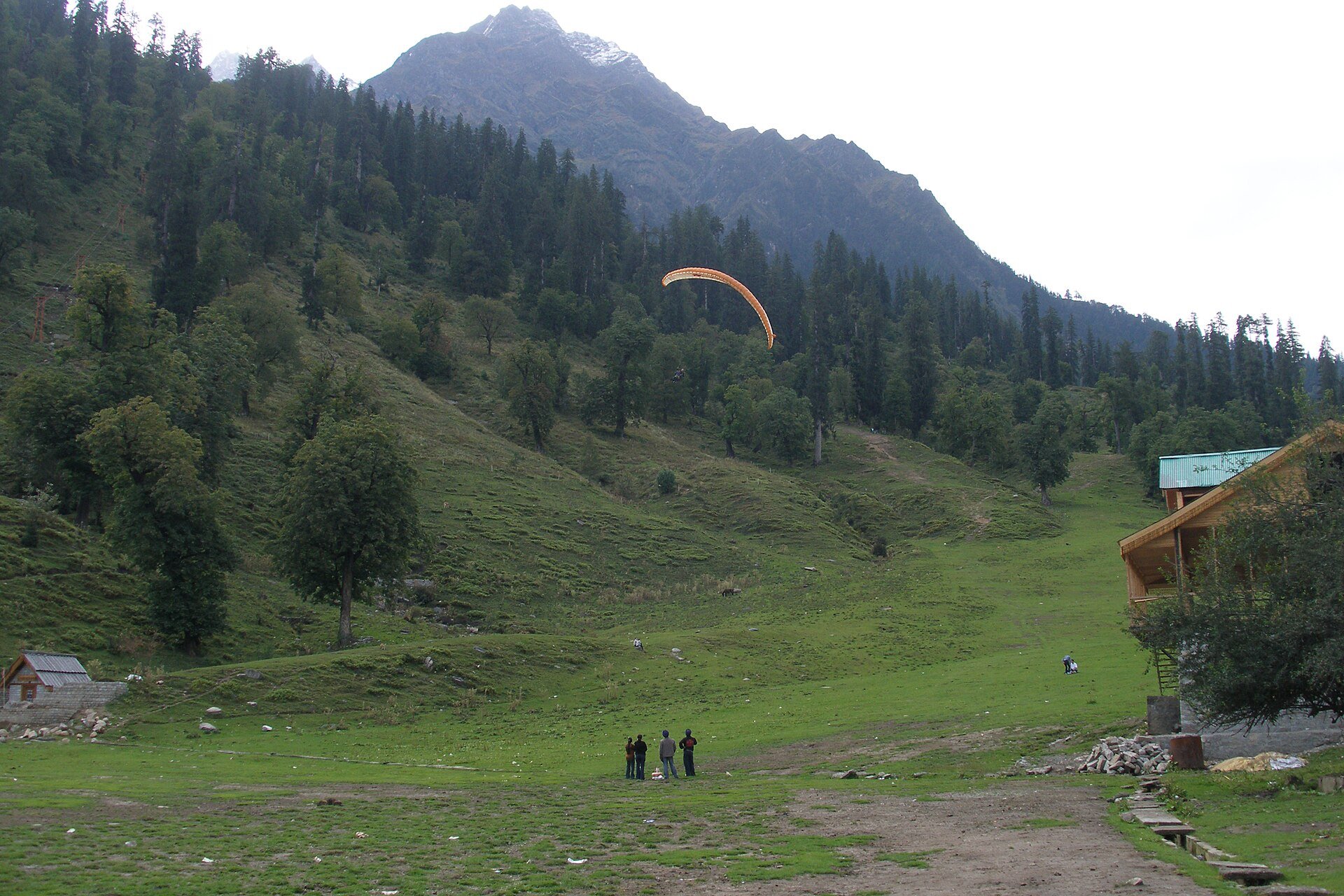
India has become one of Asia’s most rewarding paragliding destinations. The Himalayas offer huge altitude, reliable thermals and long ridge lines across Himachal Pradesh and Uttarakhand, the Western Ghats deliver gentle coastal-range flying near Mumbai and Pune, and the Eastern Ghats and Nilgiri hills give southern pilots year-round weekend flying. Its flagship site, Bir-Billing, hosted India’s first Paragliding World Cup in 2015 and is widely called the paragliding capital of the country. Here is everything you need to plan a flying trip.
Paragliding in India – Country Overview
India’s flying geography runs from Himalayan launches above 2,400 m in the north to 1,000 m coastal ridges in the south, giving the country a genuinely year-round season: when the monsoon shuts down the Himalayas, the Ghats and the southern hill stations are flying, and vice versa. There are now dozens of established flying sites spread across Himachal Pradesh, Uttarakhand, Maharashtra, Sikkim, Tamil Nadu, Kerala, Goa, Gujarat, Karnataka and Jammu & Kashmir.
Governance is still maturing. The Aero Club of India (ACI) is the FAI-recognised National Airsport Control representing India since 1950, and under the government’s National Air Sports Guidelines (NASG-2023) the ACI and the Air Sports Federation of India (ASFI) are the apex bodies for air sports, with the DGCA providing oversight. The Paragliding Association of India (PAI), formed in 2010 by pilots and registered under the Societies Registration Act, is the community’s national body: it runs a pilot rating system (PG and PPG) with equivalence to the FAI SafePro Para framework, certifies schools, and provides accident insurance to members. At India’s busiest site, the Billing Paragliding Association (BPA) manages operations and issues bonds to authorised joy-ride agents, while states such as Uttarakhand separately license tandem pilots and companies.
Major Flying Sites
Bir-Billing (Himachal Pradesh)
Bir-Billing, in the Kangra Valley, is India’s premier site and one of the best in Asia. Billing, roughly 14 km above the village, is the take-off at about 2,400 m; Bir, at around 1,400–1,500 m on the valley floor, is the landing. Steep sun-facing slopes generate consistent thermals of roughly 5 m/s, and the height difference supports flights from 15 minutes to well over an hour and 100 km+ cross-country lines on good days. Bir hosted the Paragliding World Cup in 2015, drawing pilots from over 40 countries. Views stretch across the Dhauladhar range, tea gardens and Tibetan monasteries. Flyable wind: south-to-south-westerly upslope and thermal flow, best from late morning. Best season: March–June and September–November; the site is largely closed during the July–August monsoon.
Manali and Solang Valley (Himachal Pradesh)
Manali is the most popular tandem destination in the north, with launches around Solang Valley, Gulaba and Fatru at roughly 2,500 m. Flights look over the Beas River, pine-covered Kullu Valley slopes and snow-capped peaks, and tandem options run year-round outside the monsoon. Solang is ideal for first-timers, while more experienced pilots fly longer lines along the valley. Flyable wind: valley and upslope thermic flow, mornings smoothest. Best season: March–June and October–December, with some winter flying in clear weather.
Kamshet (Maharashtra)
About 45 km from Pune and 100 km from Mumbai, Kamshet is the paragliding hub of Western India. Set in the Sahyadri mountains, it has smooth launches, forgiving landing fields and calm, steady air that make it the country’s best place to learn to fly and take a first solo. Several reputable PAI-affiliated schools operate here, and the terrain offers easy ridge soaring plus beginner cross-country. Flyable wind: predominantly westerly, with the reliable afternoon valley breeze. Best season: October–May.
Nainital, Bhimtal and Naukuchiatal (Uttarakhand)
The Kumaon lake district combines mountain, lake and forest views. The take-off near Naukuchiatal, about 25 km from Nainital, launches from around 2,000 m and soars above the nine-cornered lake and pine slopes. Conditions are friendly and the site suits families, beginners and tandem passengers, while stronger pilots chase thermals over the Shiwalik and higher ridges. Flyable wind: easterly thermal flow through late morning and afternoon. Best season: March–June and September–November.
Gangtok and Sikkim
Sikkim has emerged as a favourite in the northeast. Take-offs at Baliman Dara and Bulbuley Dara above Gangtok look straight at the Kanchenjunga range, and the Resithang sports area has become the state’s flying and landing hub. Tandem flying dominates, with certified pilots and training also available. Flyable wind: upslope and valley winds, consistent spring and autumn. Best season: March–June and September–November.
Site Directory by Region
| Site / Area | State / Region | Launch Elevation | Level | Best Season |
|---|---|---|---|---|
| Bir-Billing (Billing launch, Bir landing) | Himachal Pradesh | ~2,400 m | All levels / XC | Mar–Jun, Sep–Nov |
| Solang Valley / Gulaba / Fatru (Manali) | Himachal Pradesh | ~2,500 m | Beginner–Intermediate | Mar–Jun, Oct–Dec |
| Bilaspur (Gobind Sagar) | Himachal Pradesh | ~600–900 m | Beginner | Mar–Jun, Sep–Nov |
| Kamshet / Pawna | Maharashtra (Western Ghats) | ~650–900 m | Beginner–Intermediate | Oct–May |
| Panchgani (Bhilar, Tapola, Khingar) | Maharashtra | ~1,200 m | Beginner–Intermediate | Oct–Feb |
| Nainital / Bhimtal / Naukuchiatal | Uttarakhand | ~2,000 m | Beginner–Intermediate | Mar–Jun, Sep–Nov |
| Kunjapuri / Rishikesh | Uttarakhand | ~1,256 m | Beginner | Mar–Jun, Sep–Nov |
| Pithoragarh & Bedni Bugyal | Uttarakhand | ~1,600–3,354 m | Intermediate–Advanced | Sep–Jun |
| Gangtok (Baliman/Bulbuley Dara), Resithang | Sikkim | ~1,500–1,800 m | Tandem / Intermediate | Mar–Jun, Sep–Nov |
| Yelagiri | Tamil Nadu (Eastern Ghats) | ~1,100 m | Beginner–Intermediate | Nov–Feb |
| Vagamon & Munnar | Kerala | ~1,100–2,118 m | Intermediate | Sep–May |
| Arambol | Goa | ~150–200 m (coastal) | Beginner / Tandem | Nov–Feb |
| Saputara | Gujarat | ~1,000 m | Beginner–Intermediate | Dec–Feb |
| Shillong | Meghalaya | ~1,500 m | Beginner–Intermediate | Oct–Apr |
| Sanasar | Jammu & Kashmir | ~2,000 m | Beginner–Intermediate | Mar–Jun, Sep–Oct |
Pilot and Site Data
- Dozens of established flying sites across at least ten states, from ~150 m coastal launches on the Goa coast to above 3,300 m at Bedni Bugyal in Uttarakhand.
- The Paragliding Association of India (PAI), formed in 2010, represents pilots across about 28 states/UTs, offers individual membership from roughly ₹500 a year, and runs a national pilot rating system with FAI SafePro Para equivalence.
- Billing Paragliding Association (BPA) manages Bir-Billing; Uttarakhand requires tandem pilots to have logged 100 hours and 35 km of cross-country flying plus an SIV safety course.
- Bir-Billing hosted India’s first Paragliding World Cup in 2015, welcoming pilots from over 40 countries, and continues to host national and FAI Category 2 events.
- Popular competitions include the Paragliding World Cup leg and Category 2 XC and accuracy events at Panchgani, Bir-Billing and Sikkim, alongside a fast-growing national league.
- Flight costs are among the world’s lowest for the altitude on offer, with tandem rides commonly around ₹2,500–6,000 depending on site and flight length.
Best Time to Fly
India effectively has two flying seasons depending on region, so pick your destination around the calendar:
- Himalayan north (Himachal, Uttarakhand, Sikkim) – March to June and September to November: the two prime windows either side of the monsoon, with clear skies, strong thermals and the best cross-country conditions at Bir-Billing.
- Peninsular south and the Ghats (Maharashtra, Tamil Nadu, Kerala, Goa) – October to May: the dry season delivers stable air and easy ridge soaring while the Himalayas are wet or snowbound.
July–August is the monsoon and is largely off-limits for flying across most of the country, though some southern sites see short windows. December–February is cold but flyable at many northern sites in clear weather and is peak season in the south and on the coast. Each day, launches typically work from late morning through mid-afternoon, with the smoothest air early and stronger thermals after midday.
Practical Tips for Flying in India
- Fly with certified operators. Check that schools and tandem pilots are affiliated with PAI or recognised by the ACI, ask about logged hours and SIV training, and confirm both pilot and passenger insurance before you launch.
- Plan around the monsoon. Avoid June–September in the Himalayas; if you travel then, head south. Build flexibility into your itinerary because mountain weather can cancel flights at short notice.
- Choose the right region for the season. North for spring and autumn, south and coast for winter. Bir-Billing for serious XC, Kamshet for learning, Manali, Nainital and Sikkim for scenic tandems.
- Pack for altitude and cold launches. Even in the tropics, north-Indian launches sit above 2,400 m – bring warm layers, gloves, sunglasses, sunblock and closed-toe shoes for the run-off.
- Know the rules and your limits. Carry a logbook, respect tandem weight limits (roughly 20–95 kg at most sites) and remember that under the NASG-2023 framework sites need NOCs and NOTAMs – fly only at approved launches through authorised operators.
From the world-class thermals of Bir-Billing and the snowy ridges above Manali to the gentle Sahyadri slopes of Kamshet and the southern hills of Yelagiri and Vagamon, India offers extraordinary flying variety at unbeatable value. Before you go, make your kit travel-ready: our YOWFLY lightweight paragliding stuff bag packs your wing in seconds and weighs just 400 g – perfect for hopping between Indian sites by bus, jeep and train.
Ready to gear up?
Explore harnesses, bags, vario and more in the YOWFLY paragliding equipment shop – trusted gear for pilots flying the world’s most breathtaking sites.
Featured image: paragliding above Solang Valley, India. Photo: Vyacheslav Argenberg, via Wikimedia Commons (CC BY 4.0).