Paragliding Gloves & Mittens: The Complete Winter Flying Guide

Flying at 3,000 metres in January. Your fingers are numb. Your grip on the brakes is fading. Every thermal feels like a gamble against your own body.
Cold hands aren’t just uncomfortable in paragliding — they’re dangerous. Loss of fine motor control means slower brake inputs, less feel for the wing, and a reduced ability to react in an emergency. That’s why choosing the right paragliding glove or paragliding mittens is one of the most important equipment decisions you’ll make for winter flying.
Why Regular Gloves Don’t Work for Paragliding
Here’s the problem most pilots discover the hard way: standard winter gloves aren’t designed for flying.
- They’re too bulky — you can’t feel the brakes through thick insulation
- They don’t attach to your brakes — if you need to take your hands out, the gloves come with them
What paraglider pilots actually need is a brake-specific system — something that stays connected to the brake lines and keeps your hands warm while you fly. That’s exactly what paragliding mittens are designed to do.
Paragliding Mittens: How They Actually Work
Paragliding mittens — sometimes called brake mittens or brake muffs — are a completely different concept from regular gloves. Here’s the key difference:
They Attach to Your Brakes
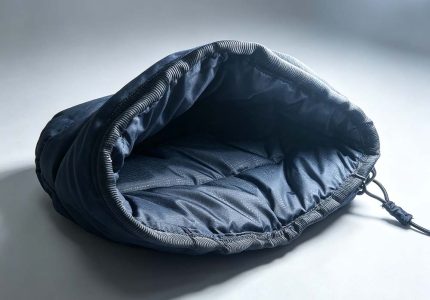
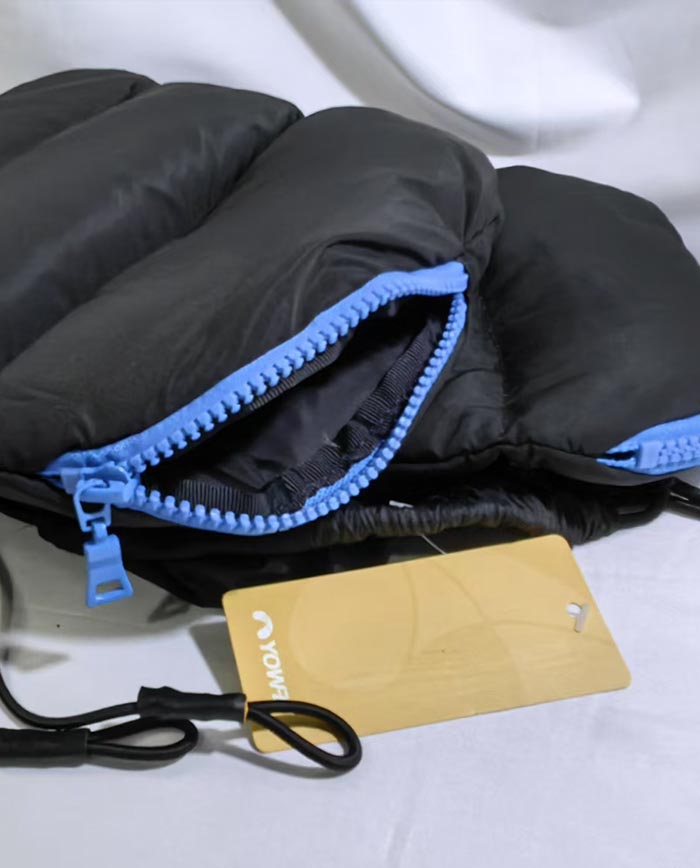
The mittens feature a zippered opening at the top that allows them to slide over your brake handles. Once in position, a karabiner clips directly to the brake line, keeping the mitten securely in place even if you pull your hands out.
They Work as Sleeves During Launch
Before takeoff, simply leave the zip open and wear the mittens on your arms like sleeves. This keeps your hands free for ground handling, launching, and any pre-flight adjustments.
Once Airborne, They Become Your Warm Cocoon
After you’re established in flight, slide the mittens up over your brake handles, zip them shut, clip the karabiner, and slip your hands inside. The result? Instant warmth without ever letting go of the brakes.
Key Features to Look for in Paragliding Mittens
Not all brake mittens are created equal. Here’s what separates a quality pair from a disappointing one:
1. Insulation Type and Quality
The best paragliding mittens use high-quality fill down for insulation. Look for a fill weight of around 60G — this provides excellent warmth without excessive bulk.
Down insulation has several advantages over synthetic alternatives:
- Better warmth-to-weight ratio — critical for pilots who count every gram
- Superior loft and compressibility — easy to pack into your harness pocket
- Long-lasting performance — down retains its insulating properties over years of use
2. Windproof Outer Shell
At altitude, wind chill is the real enemy. A windproof outer layer prevents cold air from penetrating the mitten, even at speeds of 40-60 km/h.
3. Breathable Lining
Warm hands that can’t breathe become sweaty hands — and sweaty hands get cold the moment you take the mittens off. A breathable lining manages moisture while retaining heat.
4. Support Hardware
Quality mittens include metal rings or karabiners for secure attachment to the brake lines. Some designs use rubber connecting straps as well. This is a small detail that makes a huge difference in reliability — you don’t want your mittens falling off mid-flight.
5. Weight
Every gram matters in paragliding. Quality brake mittens should weigh around 160g per pair — light enough to carry on every flight without noticeable impact.
Paragliding Gloves vs. Mittens: Which Is Better?
This is a common debate in flying circles. Here’s a straightforward comparison:
Mittens (Recommended for XC and Altitude)
- Warmest option — fingers share body heat inside a single chamber
- Stay attached to brakes — never lose connection with your wing
- Roomy interior — accommodates your natural grip style and paramotor throttles
- Best for: cold-weather XC flights, winter alpine flying, high-altitude thermalling
Standard Gloves (For Milder Conditions)
- Better dexterity — individual finger movement
- No attachment to brakes — more flexible for ground handling
- Lighter and less noticeable
- Best for: autumn and spring shoulder seasons, short flights, ground handling practice
The Verdict
For serious winter flying, mittens win hands down (pun intended). The ability to keep your hands warm without losing brake feel or connection is simply unmatched by any regular glove design.
Temperature Guide: When to Use What
|————|—————-|
A Pro Tip from Experienced Pilots
If you’re flying in extremely cold conditions (mountain wave, high-altitude XC in the Himalayas or Alps), layer a thin pair of gloves underneath the mittens. This creates a dual insulation system that handles temperatures most pilots will never encounter — while keeping full brake control.
Why Brake Feel Still Matters in Winter
Some pilots worry that mittens reduce their ability to feel the wing. Modern brake mittens are designed specifically to address this:
- The interior is roomy enough to hold brakes in your usual style
- The zip and karabiner system keeps the mittens aligned with your arms, so brake inputs translate directly
- The lightweight construction means no additional inertia on your control inputs
In fact, pilots who’ve switched to brake mittens often report better control in cold conditions — because their hands are warm and responsive, rather than numb and sluggish from wearing inadequate gloves.
How to Care for Your Paragliding Mittens
Quality brake mittens are an investment. Here’s how to make them last:
- Store uncompressed — don’t leave them squashed under heavy gear
- Dry before packing — damp down insulation loses its loft
- Check zips and clips regularly — hardware failure mid-flight means a lost mitten
- Hand wash only — machine washing destroys down fill
- Re-treat the windproof coating periodically for maximum performance
Real Pilots, Real Reviews
Don’t just take our word for it. Here’s what pilots are saying about the paragliding mittens available at Yowfly:
> “I always had cold hands inflight, no matter how thick and bulky the gloves were. These mittens changed everything. I tested them at 5,000m in the Indian Himalayas — definitely warm enough for 99% of pilots.”
> — Karl F., Verified Buyer
> “I recommend this professional paraglider glove because we need to hold the brakes in our hands, so it needs to be specially made. It’s very warm, professional, and the delivery speed is fast.”
> — Kate L., Verified Buyer
> “Very well made! Now I’m ready for winter cold.”
> — abarmc, Verified Buyer
Don’t Let Cold Hands Ground You
Winter flying offers some of the best conditions of the year — smooth air, reliable thermals, crystal-clear visibility, and fewer pilots crowding launch sites. But only if your hands can handle it.
Paragliding mittens are a simple, affordable upgrade that transforms winter from a season to endure into a season to enjoy. Warm hands, responsive brakes, and the confidence to stay in the air longer.
Stay Warm, Fly Longer: Shop Paragliding Gloves & Mittens at Yowfly
Heading out on an XC adventure? Don’t forget to protect your wing too — the Concertina Bag keeps your canopy in perfect condition between flights.
What Pilots Are Saying — And What We’re Improving
Over the past year, we’ve been thrilled to hear from so many paraglider pilots who’ve made our brake mittens part of their winter flying kit. The feedback has been overwhelmingly positive — warmth, ease of use, and value for money are themes that come up again and again.
But we also listen carefully to constructive criticism. A few recurring issues have been raised:
- Zipper quality — some pilots reported zipper failures after extended use, including mid-flight incidents where the zip came off
- Tether straps too short — the connecting straps between the mittens and karabiners could be longer for easier attachment
We take this feedback seriously. That’s why we’re currently working on an upgraded version of our paragliding mittens, planned for release in Q4 2026. The upgrade will address zipper durability, strap length, and several other refinements based on pilot input.
Stay tuned — we think you’re going to love what’s coming.