

Paragliding in Austria: The Ultimate Guide to Flying the Alps

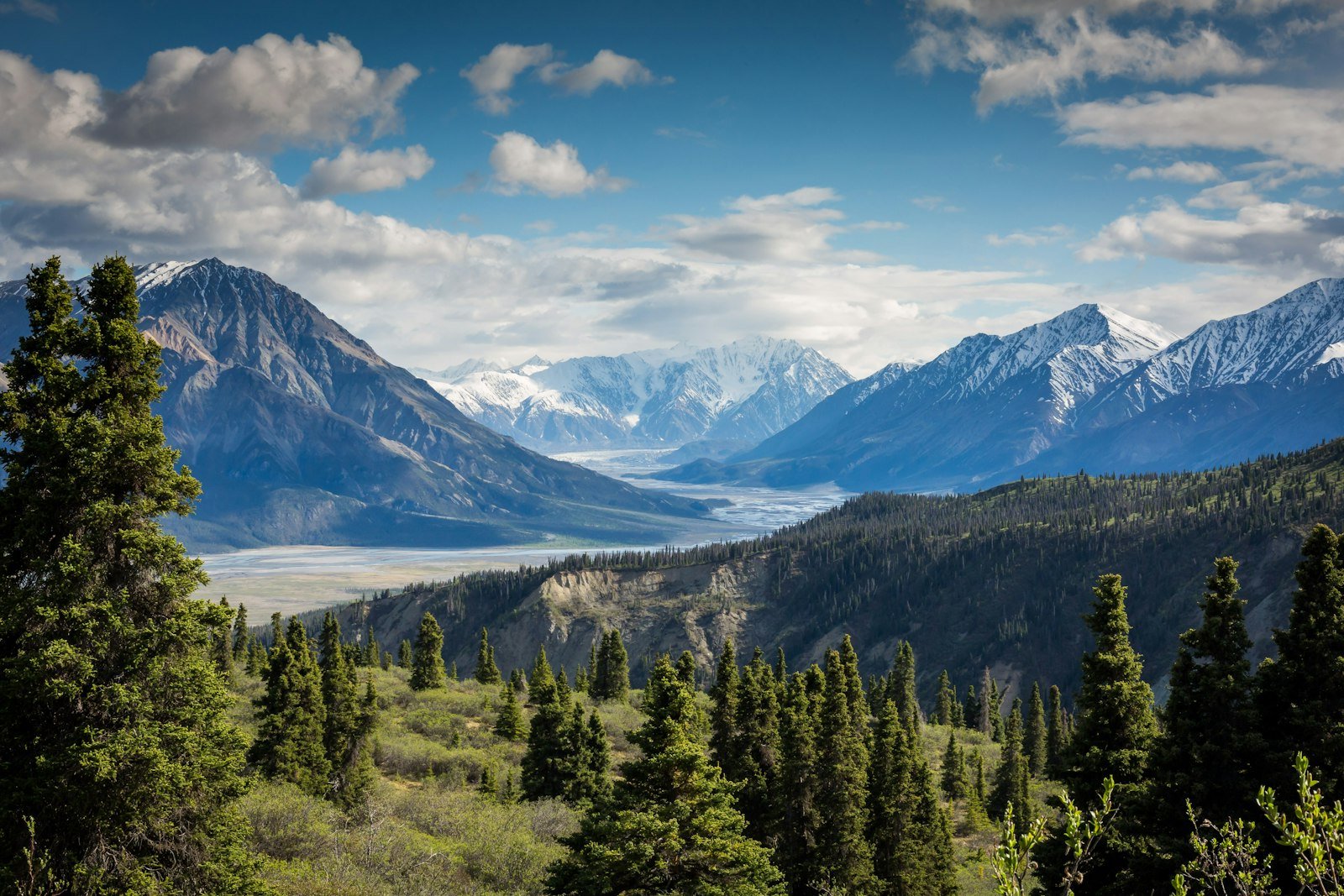
Austria is, without question, one of the world’s finest paragliding destinations. Nestled in the heart of the European Alps, this landlocked country of 9 million people offers an incredible density of flying sites, reliable summer thermals, stunning alpine scenery, and a deeply rooted freeflight culture. From the legendary grassy slopes of Kössen to the cross-country playground of Greifenburg, Austria has something for every paraglider pilot — beginner to pro.
Paragliding in Austria: An Overview
Austria is home to an estimated 25,000+ active paraglider pilots and well over 400 officially registered flying sites spread across its nine federal states. The sport is governed by the Österreichischer Aero Club (ÖAeC), which oversees pilot licensing, airspace regulations, and safety standards. Austrian paragliding pilots must hold a valid license (Luftfahrerschein für Gleitschirmflieger) recognised by the Austrian aviation authority (Austro Control).
Austria is also a global hub for paragliding manufacturing. Brands such as Nova, Skywalk, Mac Para, Swing, and Supair are all Austrian or have strong Austrian roots. The country hosts several major paragliding events, including the Kössen Paragliding Testival (the largest demo event in the world), the Stubai Cup (the annual new gear showcase), and is a key route in the Red Bull X-Alps race.
The terrain is predominantly alpine: steep mountain faces, grassy launch slopes, high alpine meadows, and wide river valleys providing safe landing zones. The infrastructure for pilots is exceptional, with many launches accessible by cable car, chairlift, or short hike.
Top 5 Paragliding Sites in Austria
1. Kössen (Tyrol)
Kössen is arguably the most famous paragliding site in Austria — and some say in the world. This small Tyrolean village is widely regarded as the birthplace of modern paragliding, where the sport grew and developed in the 1980s and 1990s. The launch is a large, grassy hillside located right next to the Kössen chairlift, making access effortless. The flying area offers reliable thermals from spring to autumn, with views stretching across the surrounding limestone peaks. The designated landing area is a wide alpine meadow in the valley. Kössen hosts the annual Kössen Paragliding Testival, the world’s largest paragliding demo event, every June.
- Location: Kössen, Tyrol (western Austria)
- Take-off altitude: ~1,200m
- Direction: South-facing — ideal for southerly and south-westerly winds
- Best season: April to October (peak: June–September)
- Highlights: Testival, beginner-friendly, easy access, big landing field
2. Emberger Alm / Greifenburg (Carinthia)
Emberger Alm sits at 1,740m above the market town of Greifenburg in southern Austria, close to the Italian border. This is one of Austria’s premier cross-country flying sites. Due to its unique topography, the area receives very little valley wind, producing reliable and comfortable thermal flying conditions day after day. The take-off area is spacious and grassy, and the landing fields in the Drau valley are among the biggest in the Alps. Greifenburg is a favourite among XC pilots looking for long-distance flights.
- Location: Greifenburg, Carinthia (southern Austria)
- Take-off altitude: 1,740m
- Direction: South-east facing — works in light to moderate southerly and south-easterly winds
- Best season: May to September
- Highlights: Minimal valley wind, excellent XC potential, large landing areas
3. Gerlitzen (Carinthia)
Gerlitzen is Austria’s most famous SIV (Simulation d’Incident de Vol) and acro-paragliding hotspot. Located above the Ossiacher See lake in Carinthia, the site features a cable car that quickly takes pilots to launch, offering approximately 1,000m of vertical gain. The local microclimate allows for flying over a large chunk of the year. The open terrain over the lake makes it ideal for safety training, acro manoeuvres, and scenic soaring flights.
- Location: Gerlitzen, Carinthia
- Take-off altitude: ~1,900m
- Direction: South-east to south facing
- Best season: April to October
- Highlights: SIV and acro hub, cable car access, lake views
4. Gaisberg (Salzburg)
Gaisberg is a classic flying site overlooking the city of Salzburg. At 1,287m, it offers easy road or bus access from the city, making it one of the most accessible flying sites in Austria. The grassy launch is suitable for pilots of all levels, and the views over Salzburg and the surrounding alpine foothills are spectacular. On good thermal days, pilots can fly XC routes towards the Salzkammergut region or the Bavarian Alps.
- Location: Near Salzburg city, Salzburg state
- Take-off altitude: 1,287m
- Direction: North-east facing — works in north-easterly to easterly winds
- Best season: April to October
- Highlights: City views, easy access, all-level site
5. Stubaital (Neustift im Stubaital, Tyrol)
The Stubaital valley, near Innsbruck, is a major paragliding destination and home to the annual Stubai Cup — the season’s first major gear showcase where manufacturers unveil their new wings and harnesses. Launch sites dot the valley, with the Elfer lift and Stubaier Gletscher offering alpine adventures. The terrain is dramatic, with glaciers, deep valleys, and reliable thermal activity throughout the summer.
- Location: Neustift im Stubaital, Tyrol
- Take-off altitude: Multiple launches from 1,000m to 3,000m (glacier)
- Direction: Various — mostly south-facing valley sites
- Best season: May to September (glacier flying possible longer)
- Highlights: Stubai Cup, glacier flying, spectacular alpine scenery
Flying Sites by Austrian State
| State | Notable Sites | Approx. Active Sites |
|---|---|---|
| Tyrol (Tirol) | Kössen, Stubaital, Zillertal, Kitzbühel, Innsbruck area | ~120 |
| Carinthia (Kärnten) | Emberger Alm, Gerlitzen, Dobratsch, Goldeck, Petzen | ~80 |
| Salzburg | Gaisberg, Werfenweng, Bischling, Untersberg, Zell am See | ~70 |
| Styria (Steiermark) | Loser, Tauplitz, Stuhleck, Hochschwab area | ~60 |
| Upper Austria (Oberösterreich) | Grünberg, Traunstein area, Feuerkogel | ~30 |
| Lower Austria (Niederösterreich) | Wachau area, Schneeberg, Rax | ~25 |
| Vorarlberg | Bregenzerwald, Dornbirn area, Silvretta | ~20 |
| Burgenland | Geschriebenstein, Rosalia | ~10 |
| Vienna (Wien) | Wienerwald, Kahlenberg (limited/soaring only) | ~5 |
Pilot and Site Statistics
| Metric | Value |
|---|---|
| Active paraglider pilots (estimated) | 25,000+ |
| Registered flying sites | 400+ |
| Paragliding schools | ~100+ |
| Annual Testival attendance | 2,000+ pilots |
| Governing body | Österreichischer Aero Club (ÖAeC) |
| Aviation authority | Austro Control |
| Major paragliding brands based in Austria | Nova, Skywalk, Mac Para, Swing, Supair |
| Major annual events | Kössen Testival, Stubai Cup, X-Alps (transits Austria) |
Best Time of Year for Paragliding in Austria
The prime paragliding season in Austria runs from April to October, with peak conditions in the summer months of June, July, and August. During this period, consistent solar heating generates strong thermals that can carry pilots to cloudbase (typically 2,500m–3,500m in summer).
- Spring (April–May): Good thermals are starting to develop, but expect stronger winds and cooler temperatures at altitude. Snow remains on high peaks. Beautiful green landscapes.
- Summer (June–August): The best season. Reliable thermals, long days, and warm temperatures. Expect afternoon cumulus clouds marking thermal streets. Perfect for XC flying.
- Autumn (September–October): Stable high-pressure systems produce some of the best flying days of the year. Thermals are weaker but well-organised. The autumn colours over the valleys are breathtaking.
- Winter (November–March): Ski & fly / hike & fly season. With proper winter gear and avalanche awareness, winter flying in Austria is spectacular — frozen lakes, snow-covered peaks, and crystal-clear air.
5 Practical Tips for Paragliding in Austria
- Respect airspace regulations: Austrian airspace can be complex, especially near Innsbruck, Salzburg, and Vienna. Always check current NOTAMs and airspace restrictions before flying. The ÖAeC provides up-to-date information for pilots.
- Use cable cars and lifts wisely: Many Austrian launches are accessed by cable car or chairlift. Buy a multi-day pass if you plan to fly the same site repeatedly. Some lifts offer discounted rates for paraglider pilots — carry your license.
- Watch for valley winds: Alpine valleys can develop strong valley winds in the afternoon, particularly in larger valleys like the Inn or Drau. Launch early (before 11 AM) to catch the development of thermals and land before the valley wind picks up.
- Always carry adequate safety gear: Given the alpine terrain, a reserve parachute, helmet, and GPS/XC instrument are essential. For high-altitude or glacier flying, carry a PLB (personal locator beacon) and appropriate cold-weather clothing.
- Join a local club or fly with a school: Many Austrian flying sites are managed by local clubs. Some require club membership or a small landing fee. Schools like Flugschule Austriafly (Werfenweng) and Parafly Stubaital offer site briefings and guided flights.
Ready to Fly Austria? Get the Right Gear
Whether you’re planning your first alpine flight or your next cross-country adventure in the Austrian Alps, having reliable equipment makes all the difference. Browse our full range of paragliding wings, harnesses, reserves, and accessories to prepare for your Austrian flying trip.
👉 Shop Paragliding Equipment at Yowfly — we ship worldwide!